
In mild-winter gardens, camellias are the shrubs that bloom when almost nothing else does. Sasanqua camellias in particular flower from late fall into early winter, which is why one red cultivar is simply called ‘Yuletide’ and Southern gardeners nickname them Christmas camellias.
This guide covers choosing a camellia for holiday bloom, where to plant it, how to keep the buds, when to prune, and how to bring the flowers indoors. Growing details come from Clemson Cooperative Extension and NC State Extension. The pet note follows the ASPCA.
Sasanqua for the holidays, japonica for later
The bloom season: NC State describes sasanqua camellias as blooming in late fall and winter, in a different season from the larger-flowered Japanese camellia (Camellia japonica). Planting both stretches the show from November into spring.
Check your climate first
The zones: NC State lists sasanqua camellia for USDA zones 7–9. In colder areas, grow camellias in containers you can move to a cool, bright, frost-free spot in winter, or enjoy them in a conservatory.
This post contains affiliate links. As an Amazon Associate I earn from qualifying purchases.
Choose Sasanqua Camellias for Late-Fall and Christmas Color
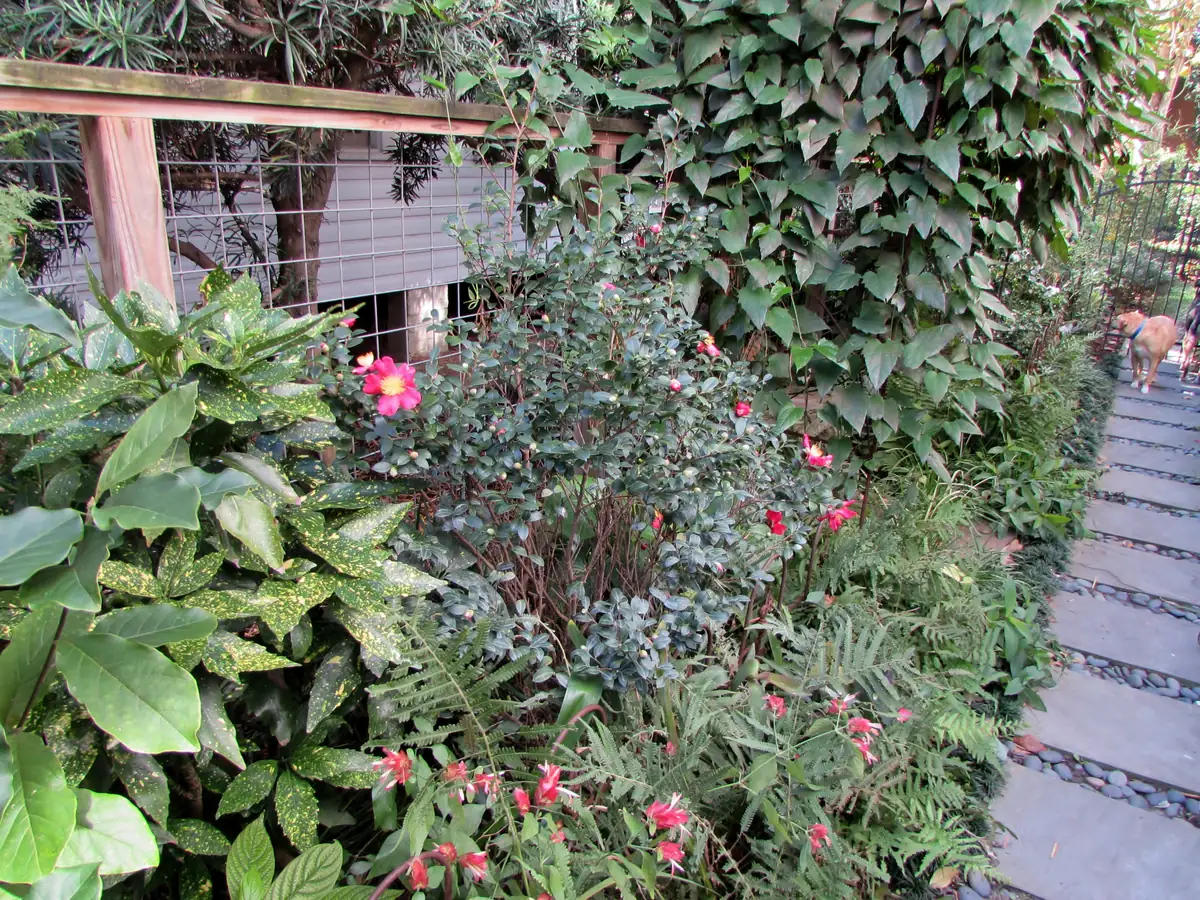
Sasanquas have smaller, glossier leaves than japonicas and a looser, more natural shape. Planted along a path or used as a hedge, they give you weeks of flowers right through the holiday season.
Growing note: NC State says sasanquas grow quickly to about 6 to 14 feet tall and 5 to 7 feet wide, and a single plant flowers over four to six weeks. Clemson notes that sasanqua cultivars grow faster than japonicas.
Design tip: The Houston gardener who grew these uses sasanquas as foundation shrubs in part shade and says they take trimming well. That makes them a good choice for an informal flowering hedge.
Plant ‘Yuletide’ for Classic Red Holiday Flowers
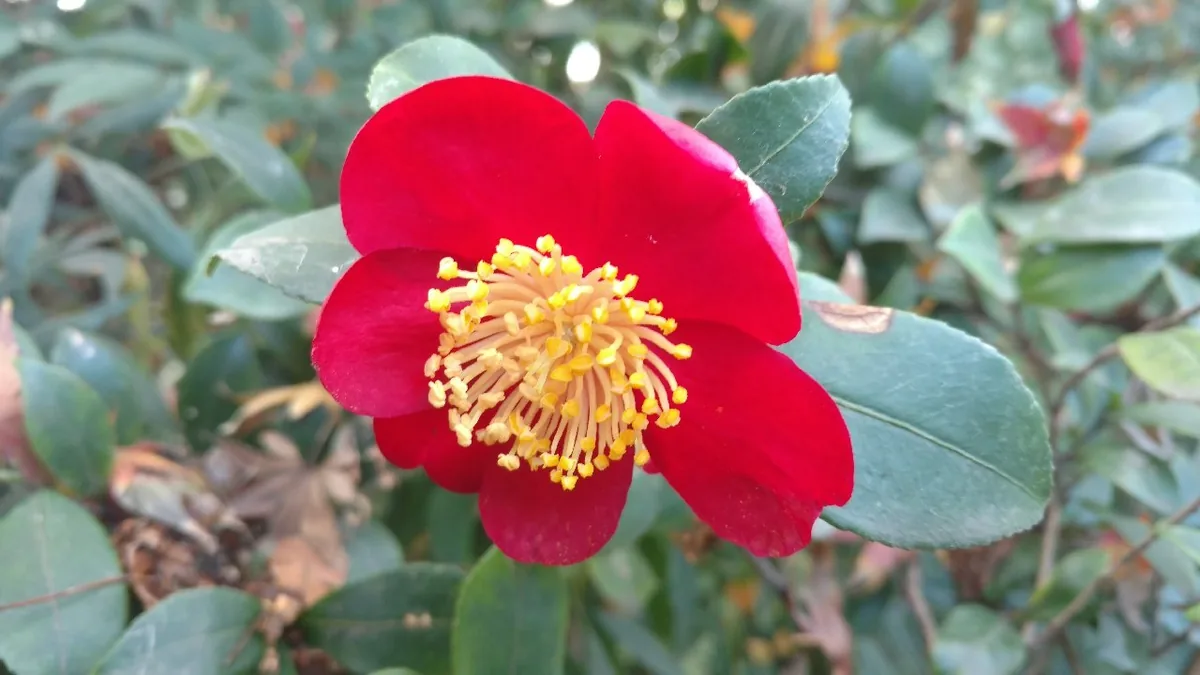
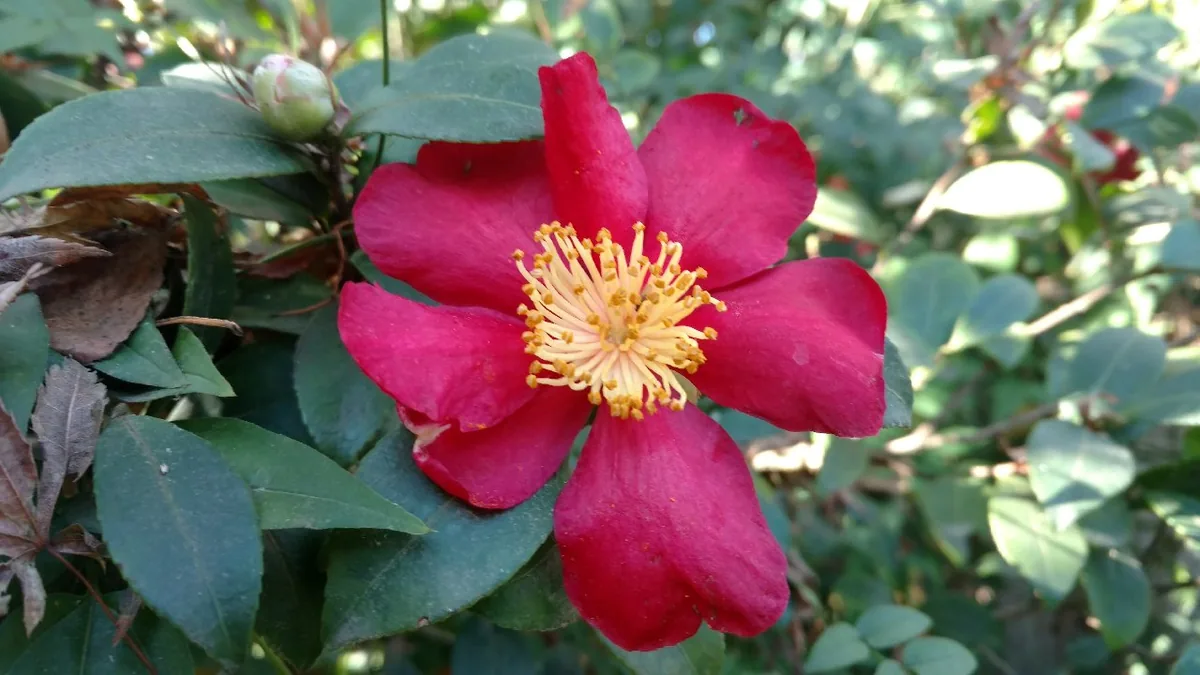
If you want one camellia for Christmas, ‘Yuletide’ is the classic choice. It has single, bright red flowers around a bold boss of golden stamens, which fits right in with holiday red and gold.
Variety note: Clemson lists ‘Yuletide’ as a small-flowered, single, crimson-red, slow-growing cultivar and classifies it as C. vernalis, a close relative of the sasanquas. NC State lists it with sasanqua cultivars as a fall-to-winter bloomer.
Timing note: In Sacramento, Debbie Arrington’s Christmas camellias started blooming around Halloween in a dry, mild year and were still covered in flowers almost eight weeks later. Expect bloom time to shift with your weather.
Pick a Compact Cultivar for Small Gardens
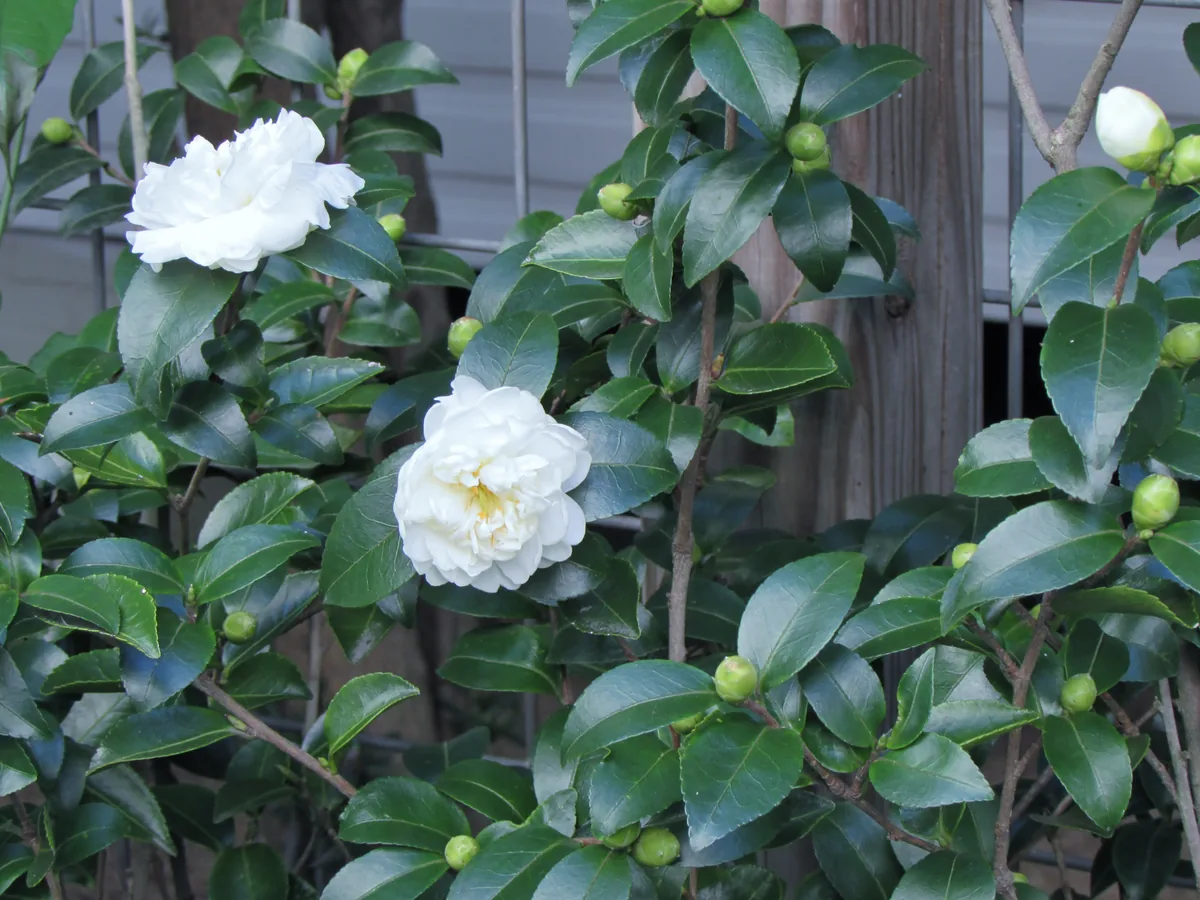
Not every sasanqua becomes a small tree. White and pink semi-double types bring a softer look, and some stay much smaller than ‘Yuletide’.
Size note: The Houston gardener describes her ‘White Doves’ as slow-growing to about 4 to 5 feet tall and wide. Clemson lists ‘Shishi-Gashira’ at about 4 to 5 feet as well, with semi-double dark pink flowers.
Shopping tip: Check the mature size on the tag before you buy. A compact cultivar placed by a front walk saves years of pruning.
Plant Shallowly in Rich, Well-Drained, Acidic Soil
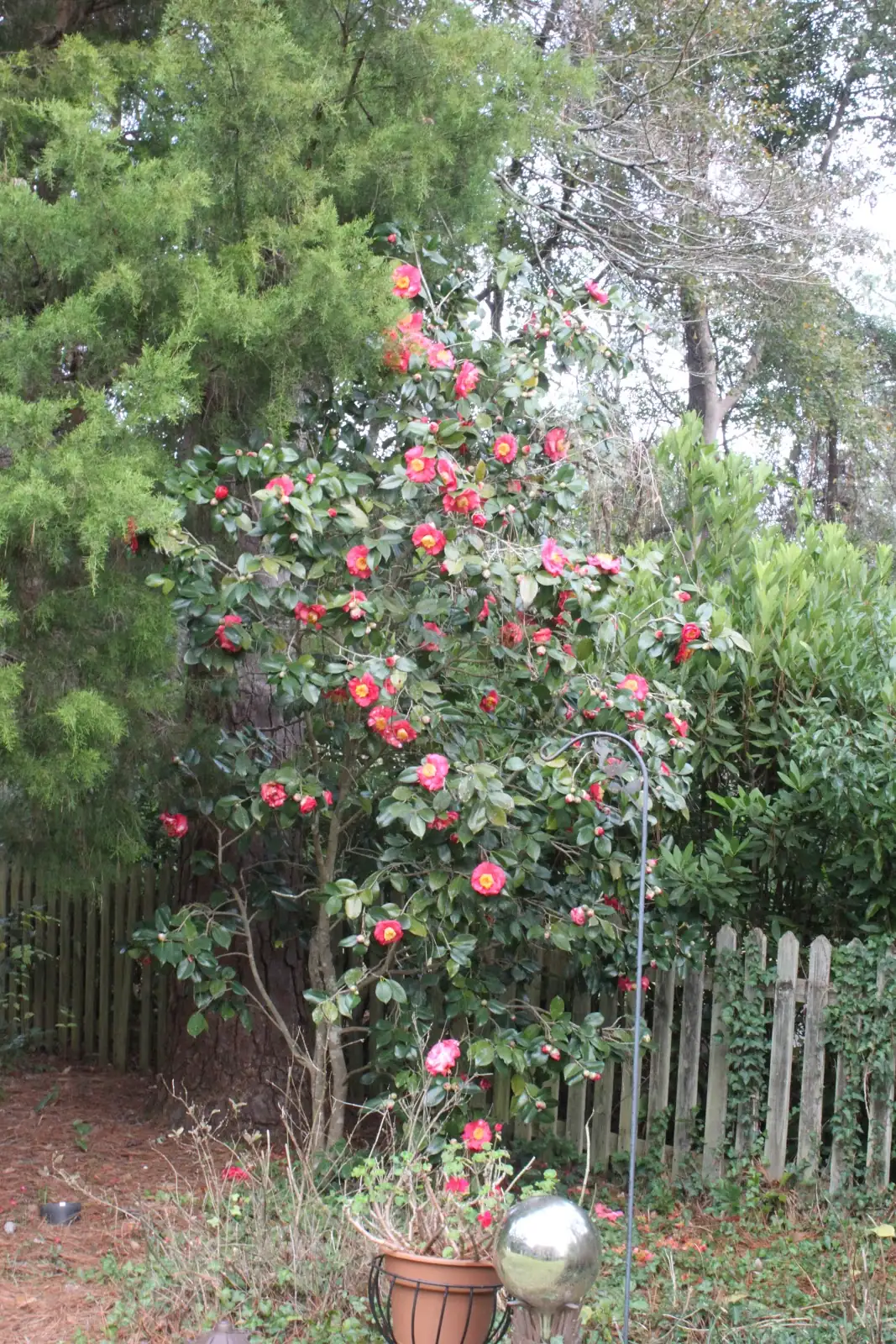
Established camellias are long-lived and can grow into small trees, so pick the spot carefully. This camellia has grown in its owner’s yard for about 15 years.
Planting note: Clemson says camellias need well-drained soil rich in organic matter, and they bloom best when sheltered from full sun and drying winds. They are shallow-rooted and must be planted shallowly, with 2 to 3 inches of mulch to hold in moisture. Fall and early spring are the preferred planting windows.
Soil note: NC State says sasanquas are intolerant of alkaline soils. Yellow leaves with green veins can be a sign of chlorosis. Clemson suggests light spring feeding with an azalea and camellia fertilizer, such as Espoma Holly-tone, used according to the label.
Water Through Summer to Hold On to the Buds
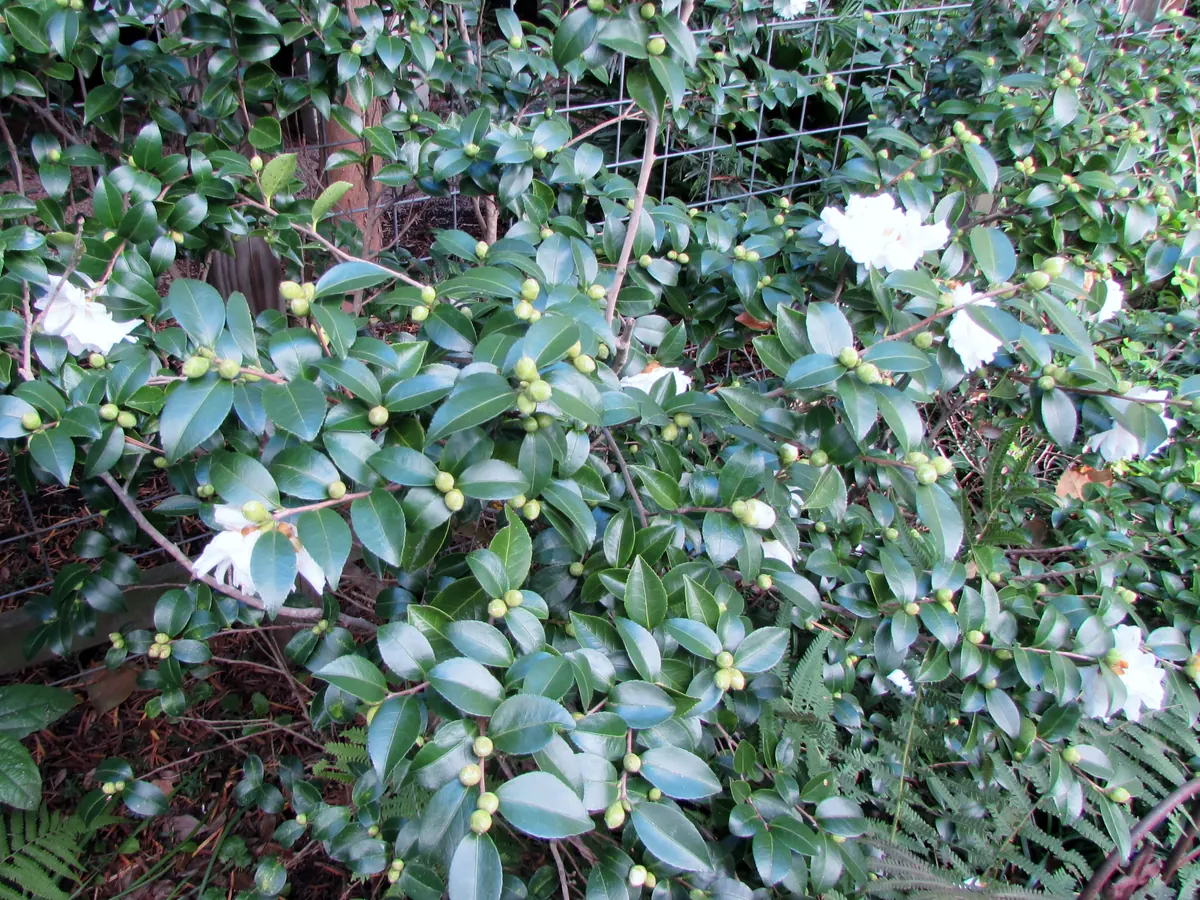
Healthy sasanquas set masses of round buds in late summer and fall. A shrub covered in buds like this promises a long show, but only if the buds stay on.
Bud note: Clemson explains that some bud drop is natural because camellias often set more buds than they can open. However, dry soil in summer can also cause buds to drop. Water deeply during dry spells, especially in the first few years while the shrub gets established.
Fertilizer caution: More is not better. Clemson warns that burned leaf edges and heavy leaf drop usually point to too much fertilizer.
Prune Right After Flowering
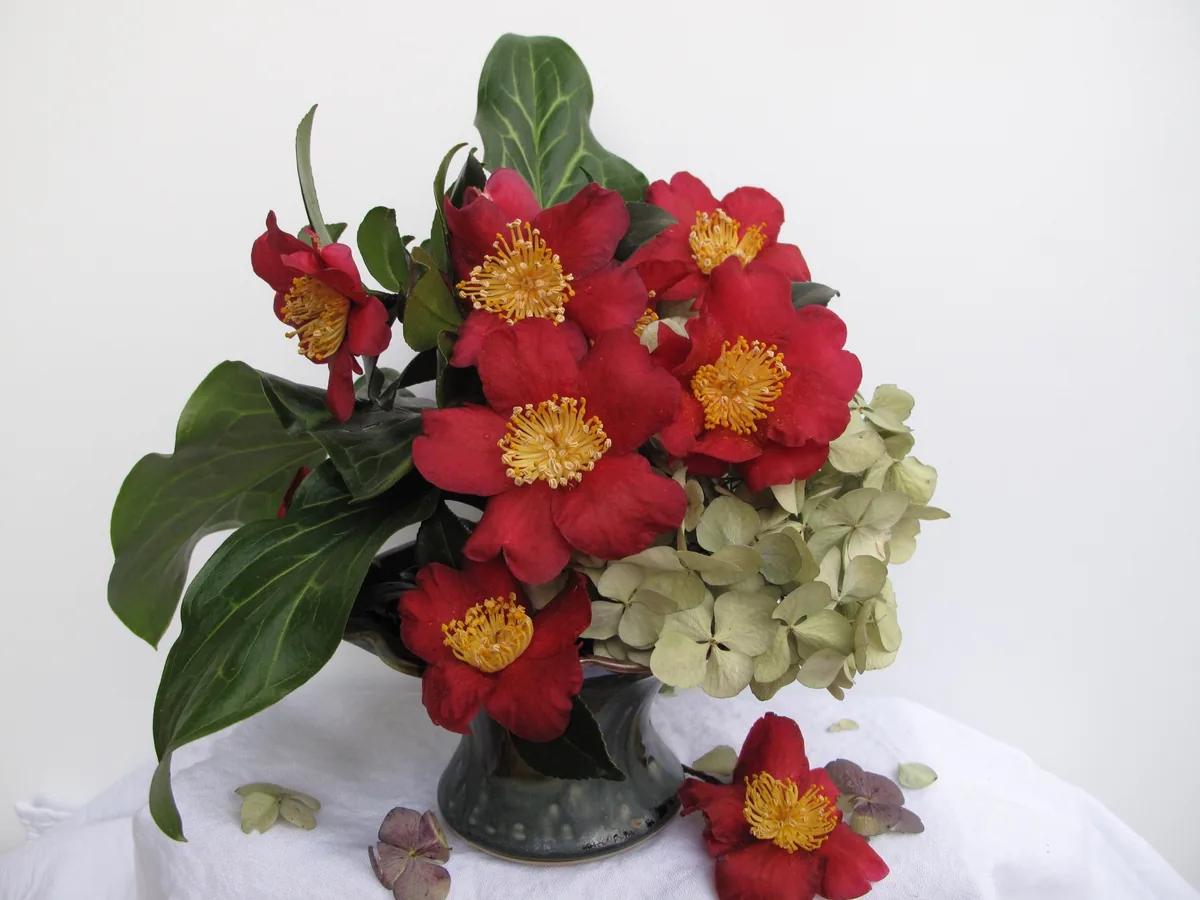
Camellias need very little pruning. Tidy them right after they bloom, and you can cut stems for arrangements at the same time.
Pruning note: NC State points out that next year’s flowers form on old growth, so heavy pruning in summer or fall removes buds. Clemson says dead and weak stems can be cut out anytime, and hard cutting back is safest from mid-February to around May 1.
Tool tip: A sharp bypass pruner such as the Corona ClassicCUT forged bypass hand pruner makes clean cuts that heal well.
Add Japonica Camellias for Blooms After the Holidays
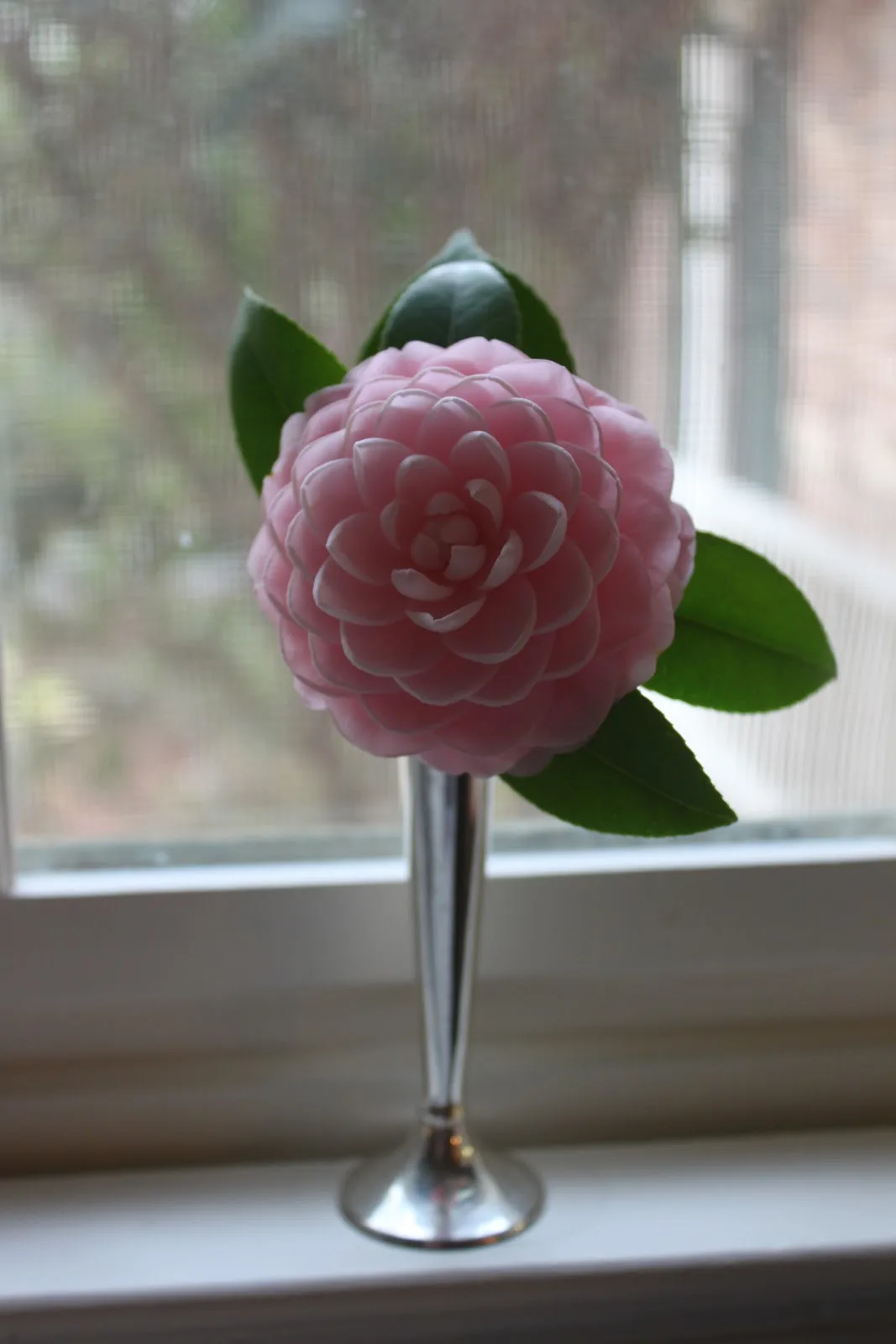
Once the sasanquas finish, Japanese camellias take over with larger, often formal double flowers, like this pink bloom in a silver bud vase.
Variety note: Clemson lists ‘Pink Perfection’ as an early-season japonica with medium, formal double pink flowers. It notes that japonicas flower on different cultivars from as early as September until April.
Gardener tip: The blogger who cut this bloom grows early, midseason, and late camellias, so she has flowers from the holidays into spring.
Cut Short Stems for Low Arrangements and Floating Bowls
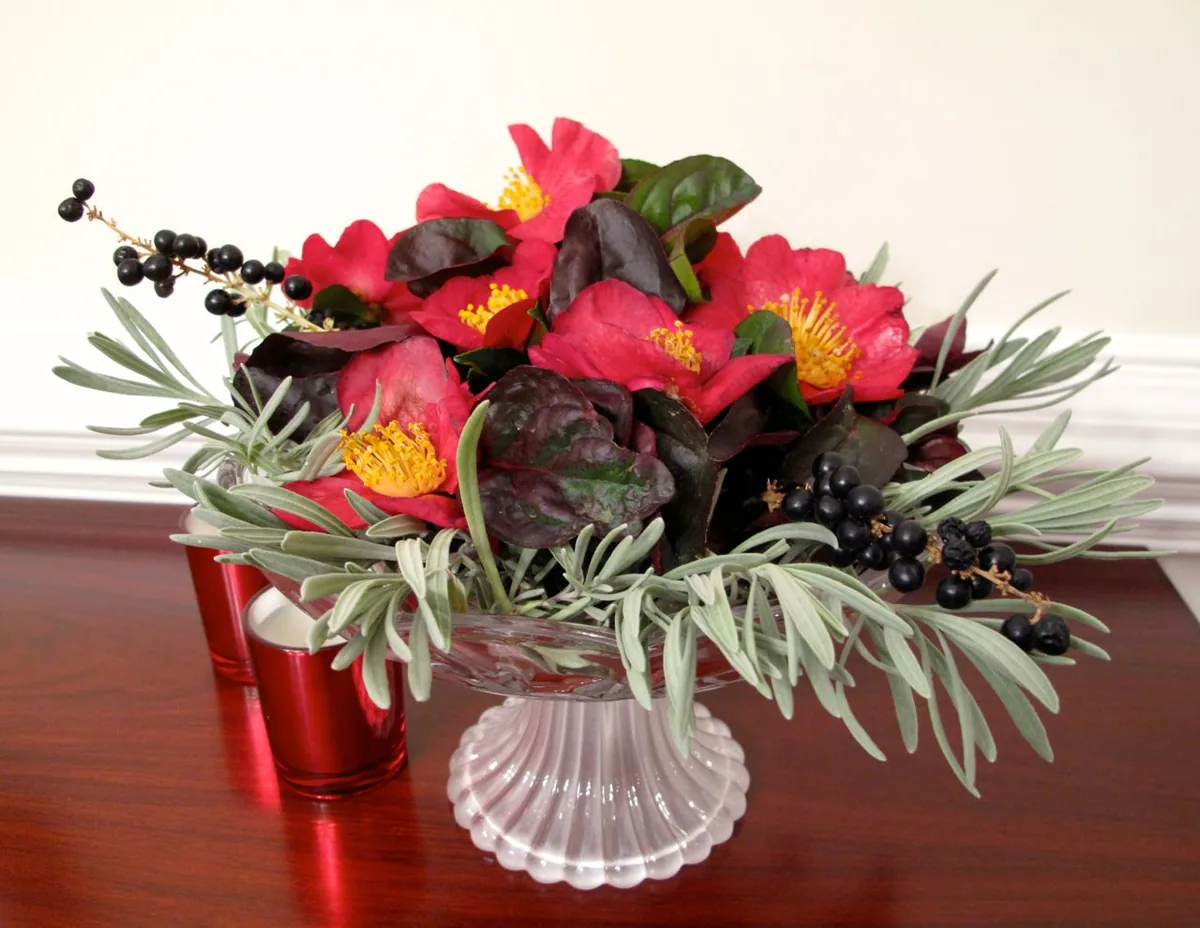
Camellia stems are often short and woody, so they work best in low, wide arrangements, floating in bowls, or as single blooms in bud vases.
Vase-life note: NC State says sasanqua flowers last only a few days before dropping, so they are not long-lasting cut flowers. Gardeners still use them in arrangements. The Southern blogger featured in the last section simply replaces her blooms every couple of days.
Arranging tip: Add evergreen foliage, berries, or dried hydrangea heads so the arrangement still looks full as individual blooms drop.
Bring Camellias Into Your Christmas Decor
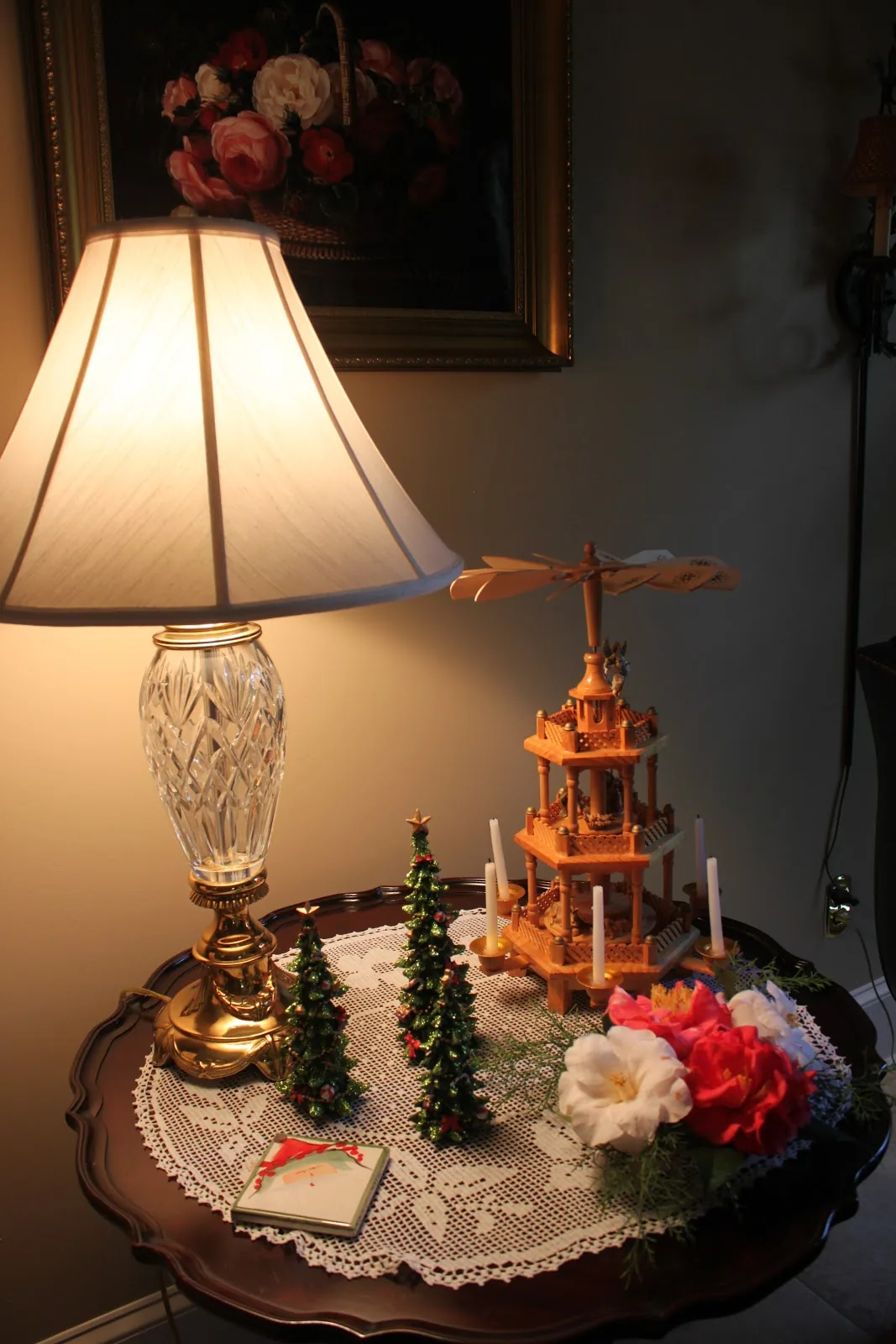
A few camellia blooms mixed with evergreen sprigs make a small, fresh arrangement for a side table, tray, or mantel among your Christmas decorations.
Styling idea: This Southern gardener mixes red camellias from her garden with Christmas greenery for small arrangements around the house during the holidays.
Safety note: If you place blooms near candles, keep flowers and greenery well away from open flames, or use flameless candles instead.
Are Camellias Safe Around Pets?
The ASPCA lists camellia (Camellia japonica) as non-toxic to dogs, cats, and horses. Even so, eating any plant material can upset a pet’s stomach, so keep cut flowers out of reach of a pet that likes to chew. Be careful with fertilizer, too: store it sealed and water it in after spreading.
Quick Camellia Checklist
- Zones: sasanqua 7–9; use containers in colder areas
- Site: shelter from hot afternoon sun and drying winds
- Soil: rich, well-drained, acidic; plant shallowly and mulch 2–3 inches
- Buds: water deeply in summer dry spells
- Pruning: right after flowering; next year’s buds form on old growth
Plant a ‘Yuletide’ or another sasanqua this season, and in a few years you will have red flowers to cut for the holidays straight from your garden.