
Some of the best Christmas greenery is already growing outside your door. Cedar, pine, holly, boxwood and magnolia cut from your own garden are fresher than anything on a store shelf, and they cost nothing but a little time.
The catch is that every stem you cut is a pruning cut. This guide covers which greens to choose, how to cut without spoiling your shrubs, and how to keep the clippings fresh through the holidays. Horticulture advice comes from Clemson Cooperative Extension and University of Illinois Extension. The pet note follows the ASPCA.
This post contains affiliate links. As an Amazon Associate I earn from qualifying purchases.
Start With What Already Grows on Your Property
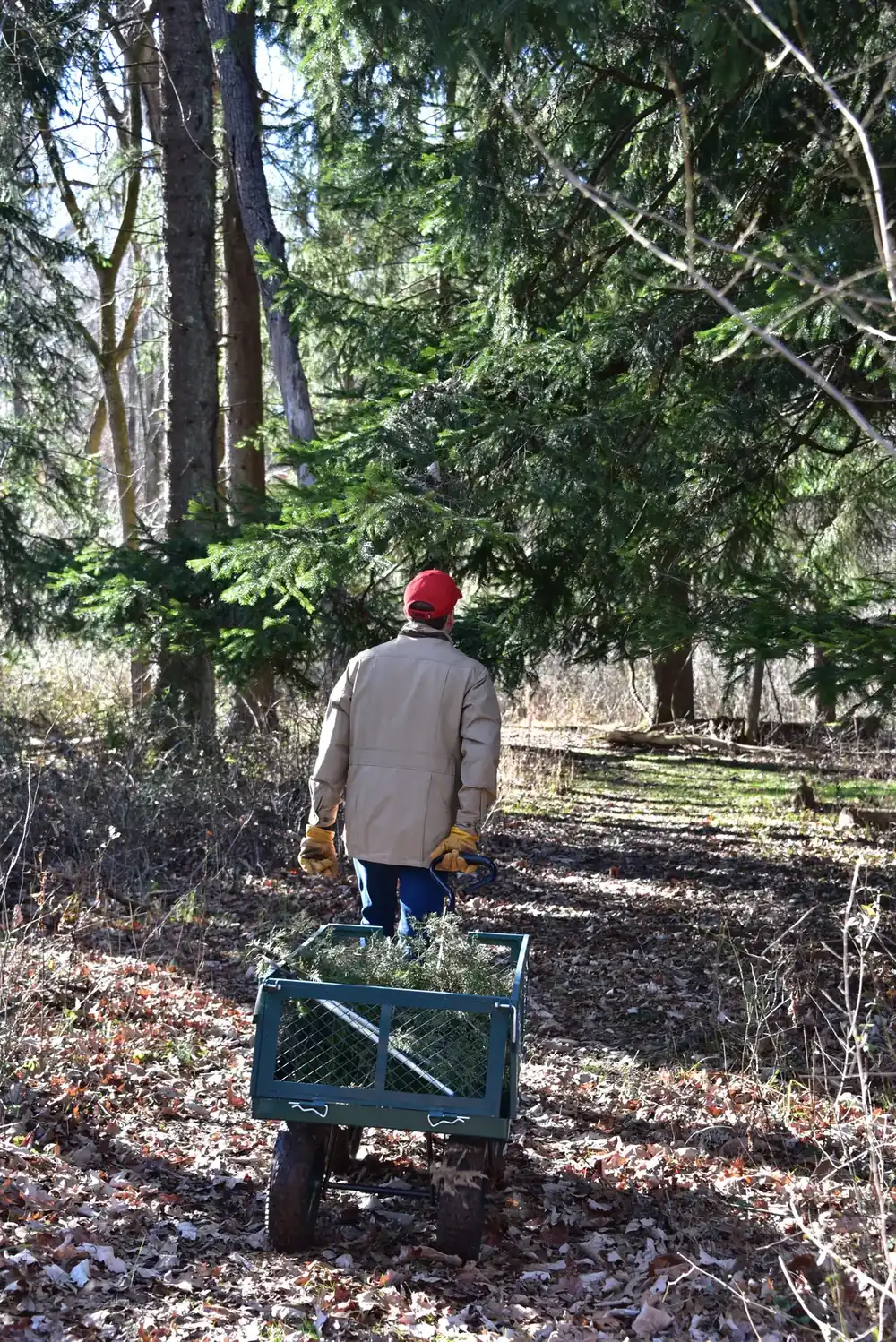
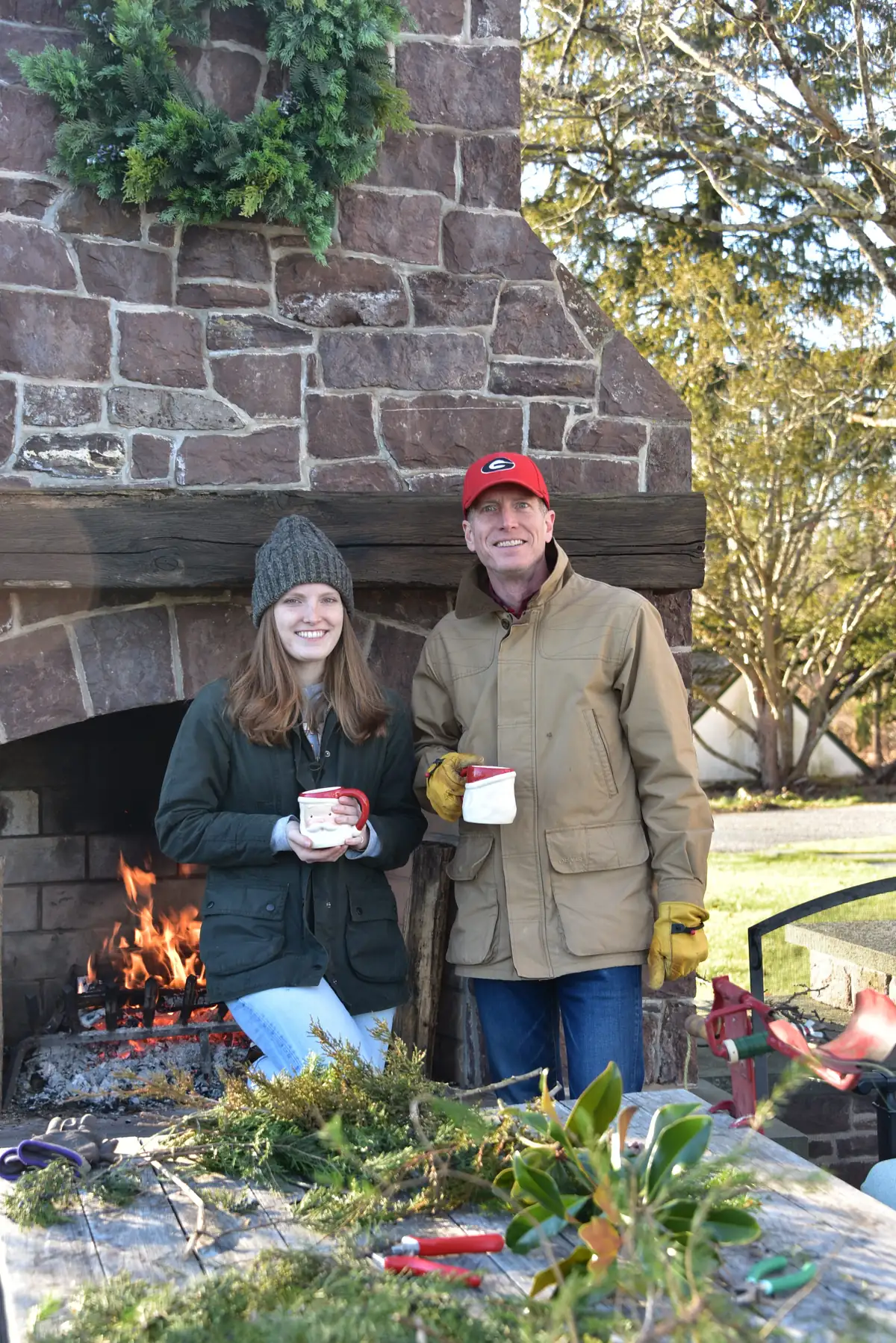
The Flower Frog sets aside a day each December to gather greens from the woods on their farm, then turns them into garlands, wreaths and urn displays. A wagon makes hauling armloads of branches much easier.
Why your yard first: Clemson says the garden is often the best place to look, because homegrown greenery is far fresher than anything you can buy, and you may find unusual material that is hard to purchase.
Permission tip: Cut only on your own property or with the owner’s permission. Clemson also cautions against gathering ground pine (Lycopodium). This slow-growing native plant can be wiped out locally after just a few years of holiday harvesting.
Choose Greens That Last Indoors
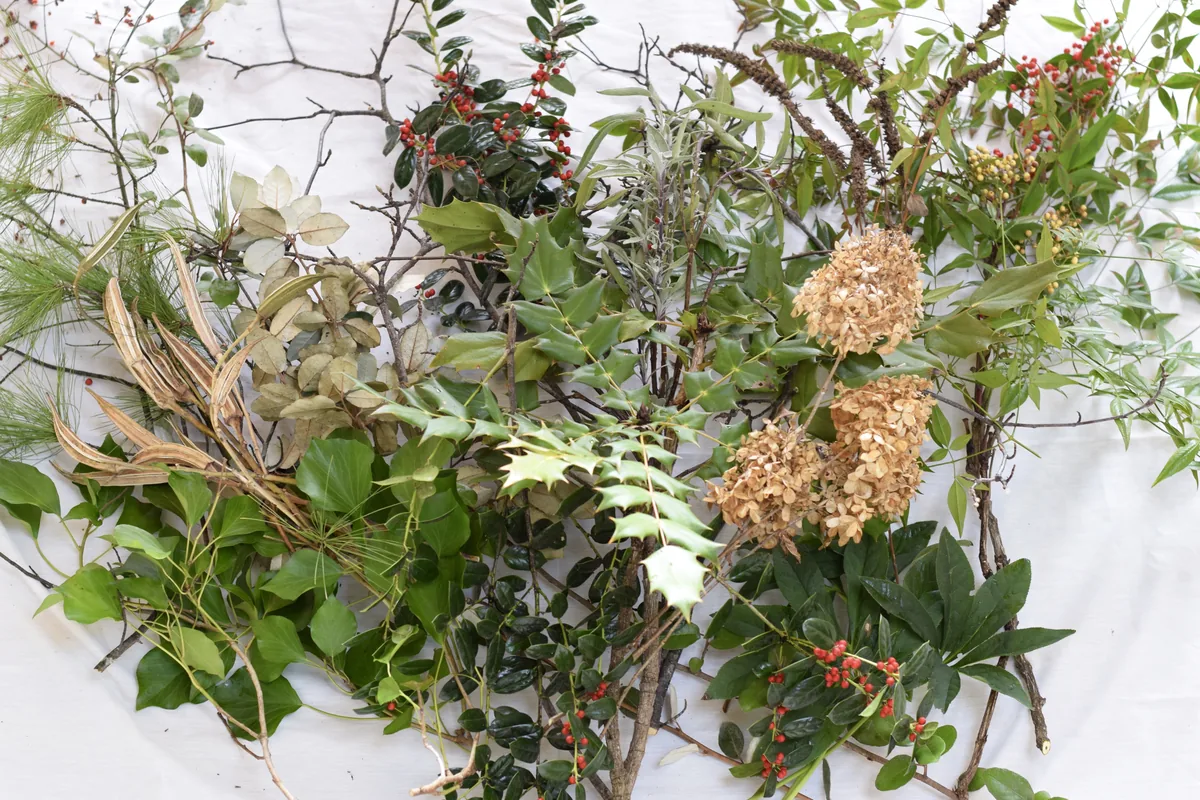
Judy’s Chickens and her friend cut everything for this arrangement from common foundation plants in her yard, then laid it all out on the floor before arranging. Sorting your cuttings this way shows you what you have to work with.
Indoor picks: Clemson says pines, firs and cedars are good for indoor decorating because they dry slowly and hold their needles best at warm room temperatures, often lasting several weeks with good care. Hemlock, spruce and most broadleaf evergreens last longer outdoors.
More options: Clemson also lists boxwood, holly, junipers, magnolia, arborvitae, cryptomeria, Leyland cypress and nandina among useful greens. Boxwood has a strong scent some people dislike, so check how your family feels before bringing it inside.
Cut Like You Are Pruning
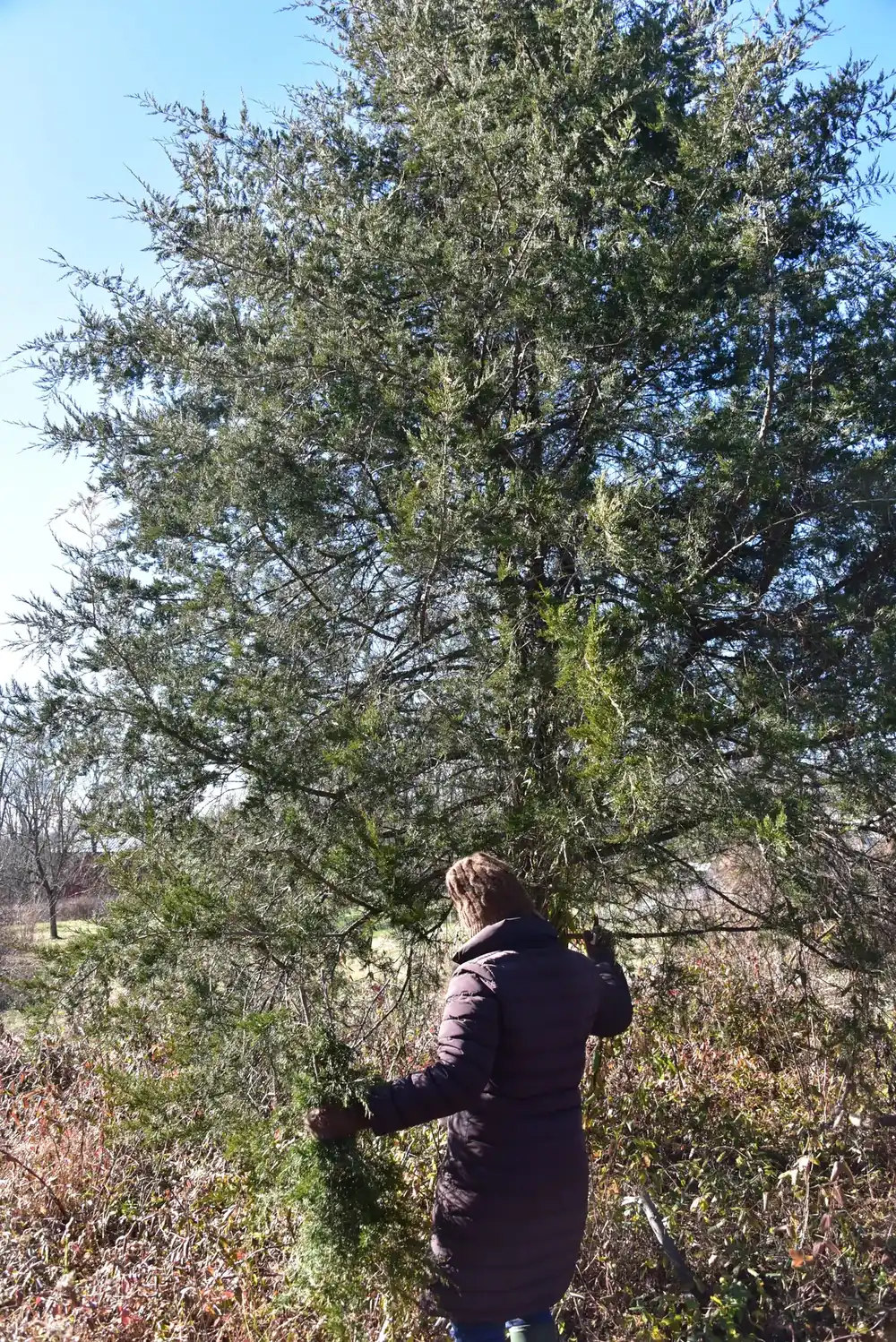
Here The Flower Frog cuts boughs from one of the cedars on the farm. The post notes that their eastern red cedars are, botanically speaking, junipers.
Cutting note: Illinois Extension recommends cutting boughs 2 to 4 feet from the tip of a branch, just above a node, and leaving live foliage on the branch so it doesn’t die back. If you remove a whole branch, never leave a stub or cut into the branch collar.
How much: Never take more than 25% of a plant, and spread your cuts evenly around it to keep its natural shape. Illinois Extension adds that harvesting after a hard frost, when plants are dormant, helps the needles hold on longer.
Add Berries, Pods and Bare Branches
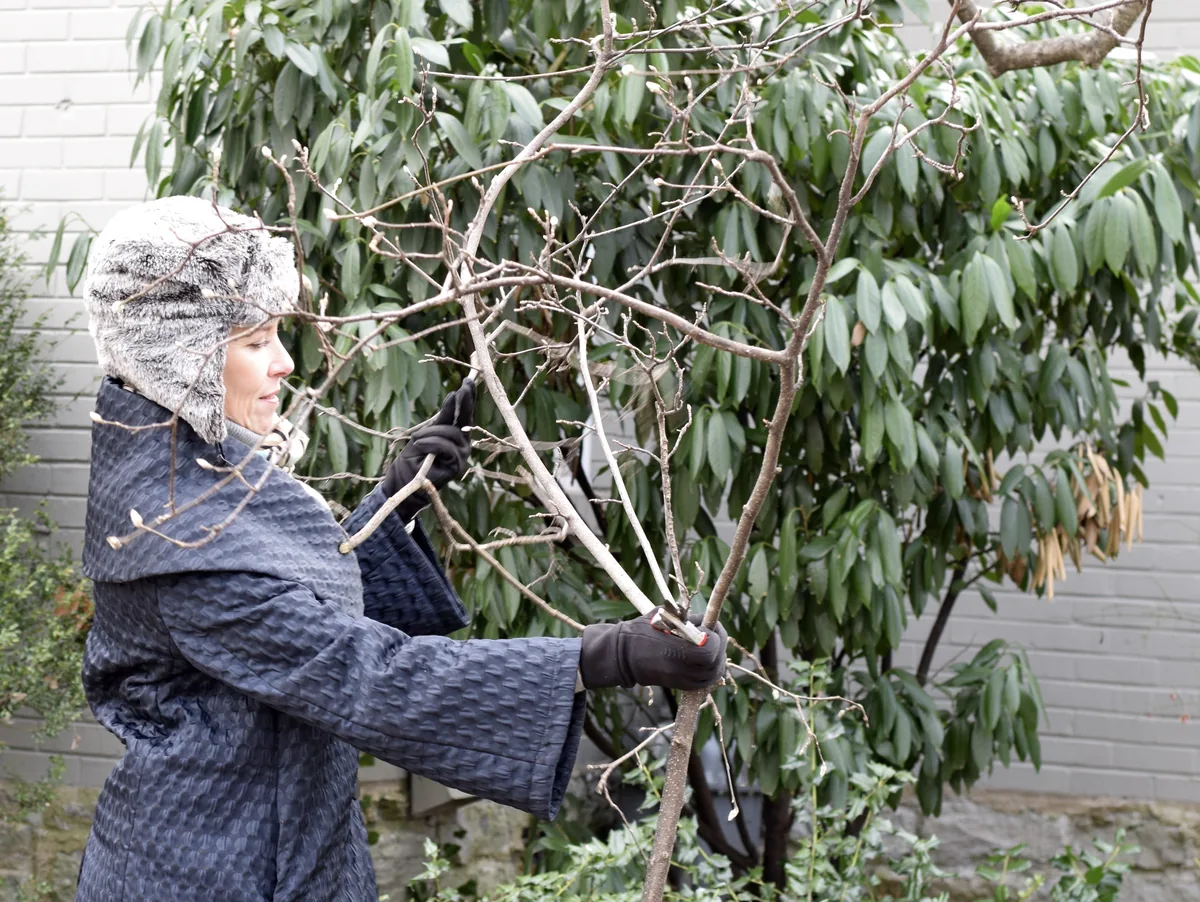
Greenery doesn’t have to be green. Judy’s Chickens cut branches from a deciduous Japanese magnolia because its silvery winter buds add soft color to an arrangement.
Accent ideas: Clemson suggests mixing in yard finds such as holly and nandina berries, pine cones, magnolia pods, rose hips, dried hydrangea blossoms and pyracantha. Illinois Extension recommends looking for cones, berries and decorative twigs while you cut.
Holly tip: Clemson warns that holly leaves and berries may turn black if the cut stems freeze, so bring holly in before a hard freeze.
Put Stems in Water Right Away
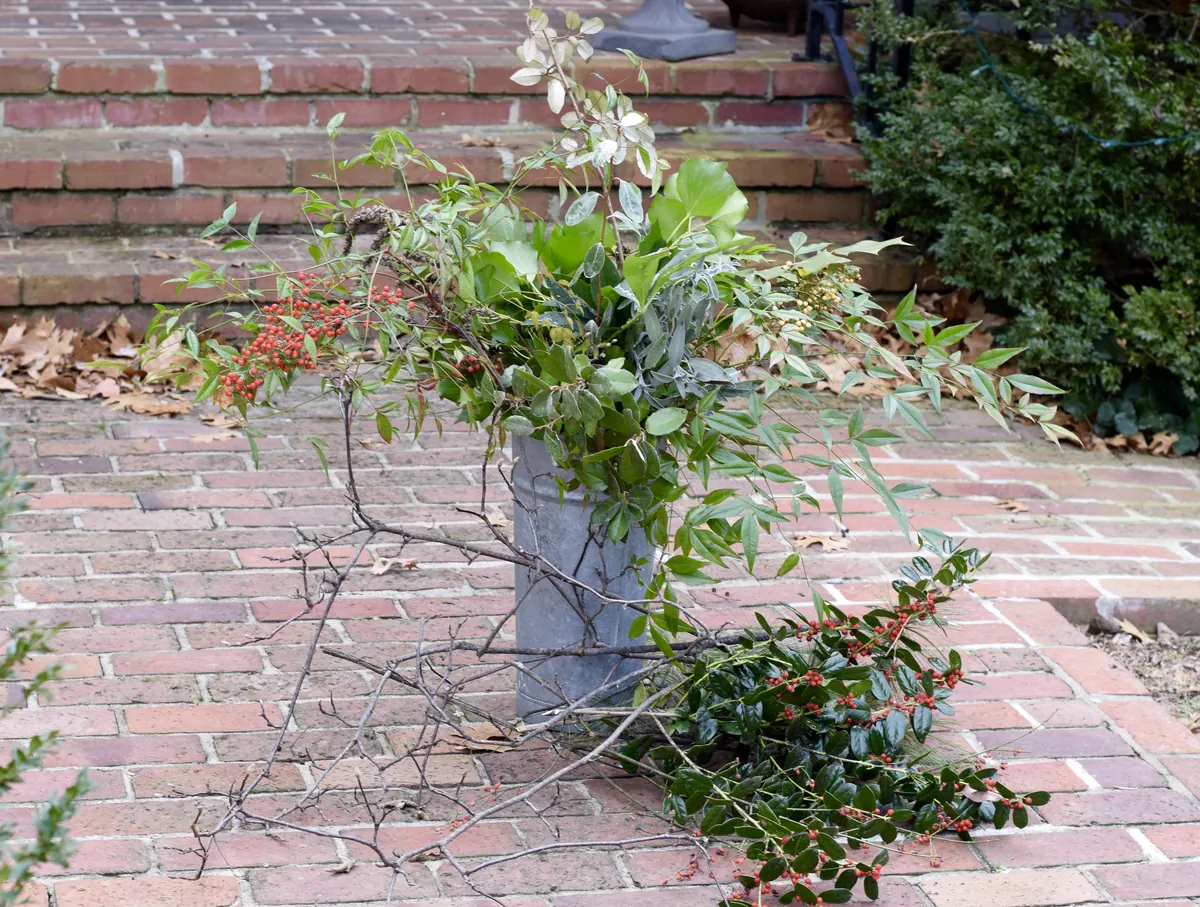
Cut greens start losing moisture right away. Keep a bucket nearby while you work, like this galvanized bucket of garden cuttings from Judy’s Chickens.
Conditioning note: Clemson recommends using clean, sharp cutters and putting the cut ends in water immediately. Crush the ends of woody stems so they take up more water, then soak the greenery in water overnight before you arrange it.
Seal in moisture: Once the foliage has dried, Clemson says an anti-transpirant spray can help hold in moisture. Don’t use it on juniper berries, cedar or blue spruce, because it can damage the waxy coating that gives them their color.
Bring the Right Tools
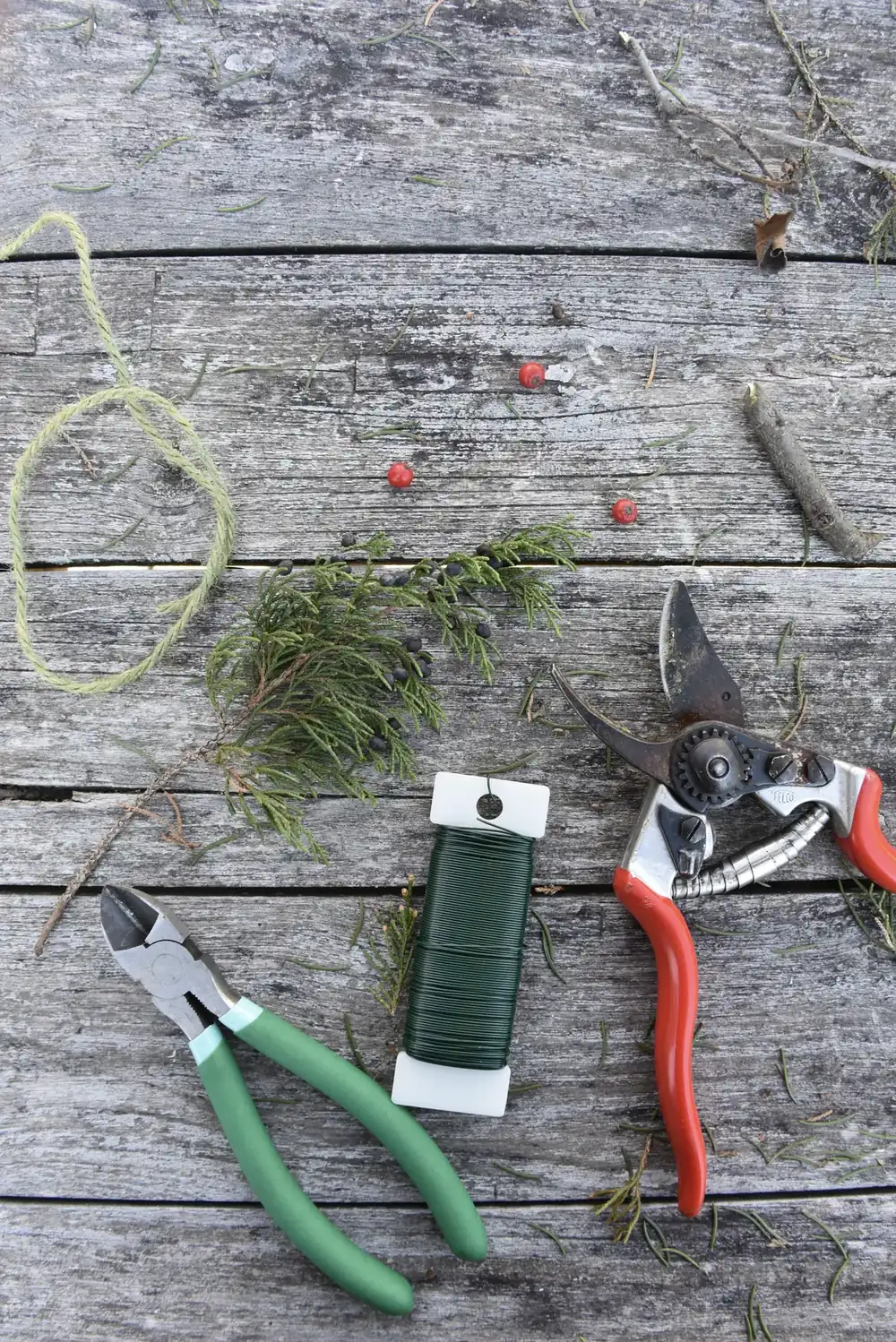
The Flower Frog’s kit is simple: wire, wire cutters, twine for bundling greens, and a trusty pair of Felco pruners.
Tool note: Sharp bypass pruners make the clean cuts Illinois Extension recommends. A forged pruner such as the Corona ClassicCUT bypass hand pruner handles most stems. For bundling sprigs and wiring garlands, a green paddle wire like this 22-gauge floral paddle wire blends into the greenery.
Eco tip: The Flower Frog bundles greens with twine because it’s compostable once the decorations are done.
Keep Cut Greens Cool Until You Use Them
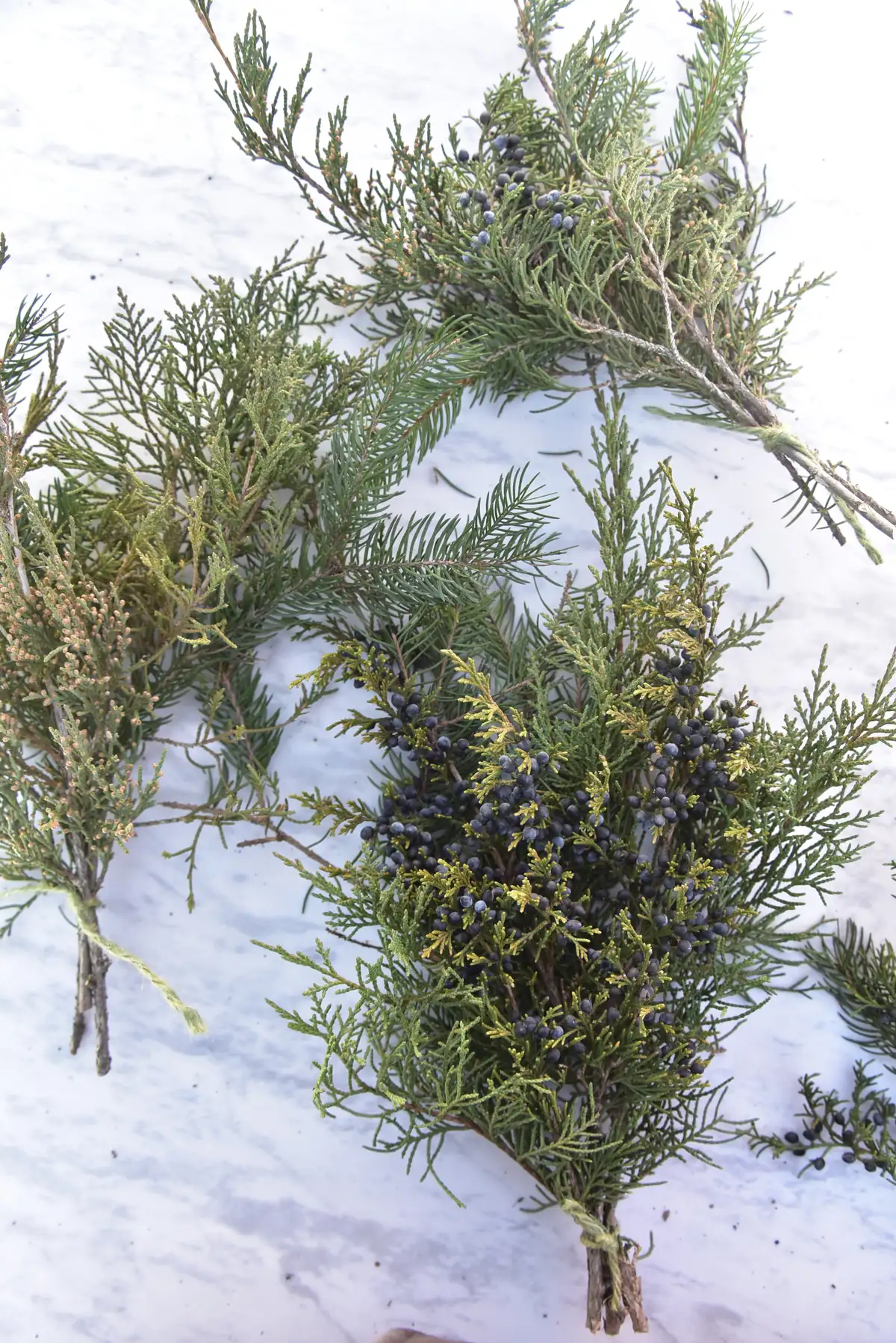
Bundling sprigs as you go, as The Flower Frog does here, makes the greens quicker to use later and easier to store.
Storage note: Illinois Extension suggests storing cut greens in the garage and misting them often. Clemson says to keep finished wreaths, garlands and arrangements in a cool place until you need them, out of direct sun.
Freeze caution: Illinois Extension notes that boxwood and holly don’t do well if they freeze after cutting and may change color, so give those a spot that stays above freezing.
Use Magnolia for Long-Lasting Leaves
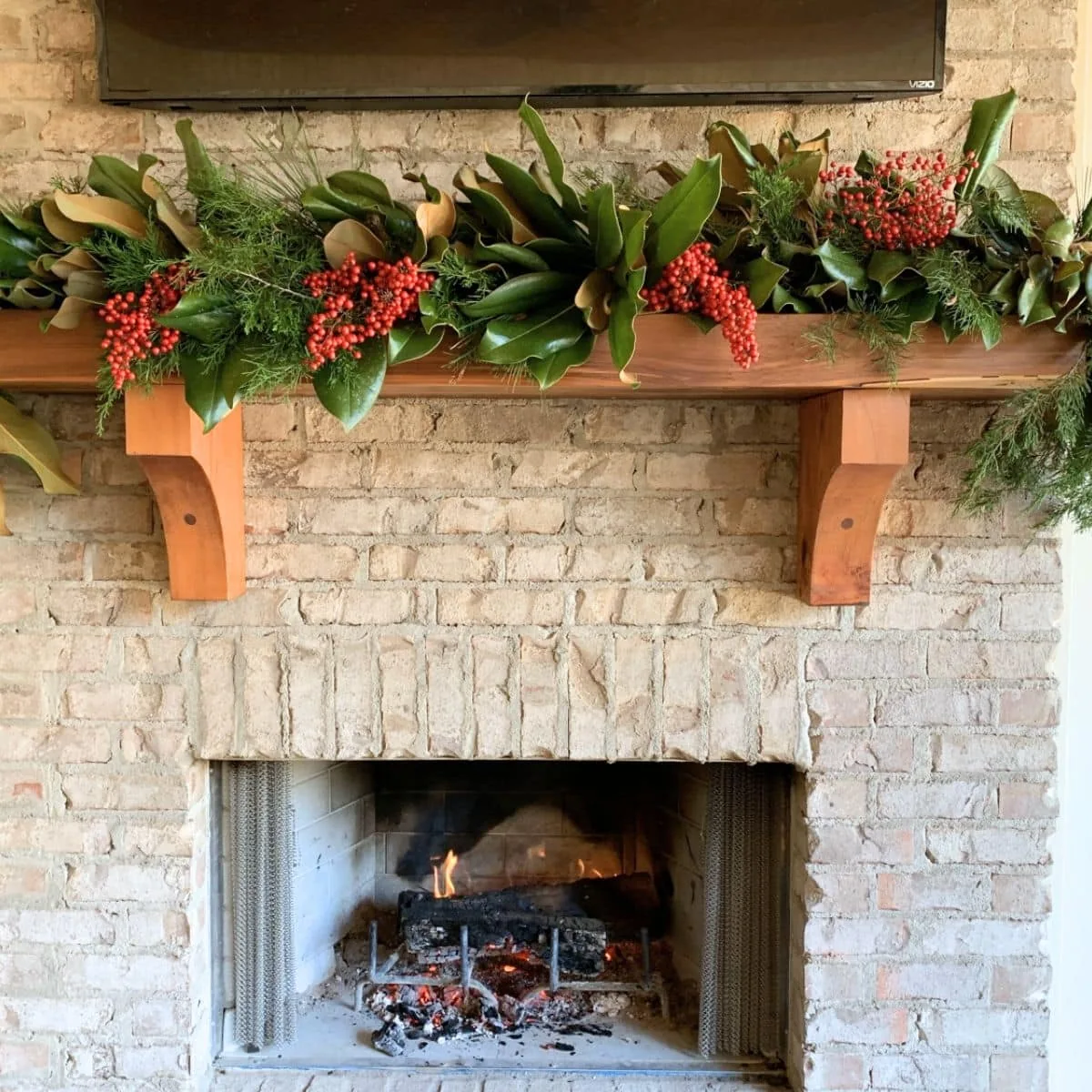
Jeannie Pence made this garland from magnolia plus cedar and pine gathered from the woods behind her house. Glossy magnolia leaves give fine-needled evergreens a bold backdrop.
Magnolia note: Clemson says magnolia leaves hold up very well, even without water. Their dark green tops and velvety brown undersides add contrast to wreaths and larger decorations.
Cutting tip: Jeannie Pence takes just the branch tips from her magnolia and keeps the clippings in a bucket of water. She aims to use them within a day or two so they stay fresh.
Arrange, Display and Refresh

Here is the finished arrangement from Judy’s Chickens: evergreens, berries, dried hydrangeas and branches, all from the yard, in a simple galvanized bucket.
Freshness check: Clemson says to check decorations every couple of days and remove or replace anything drying out. Fresh needles should bend without breaking. Discard dry greenery away from the house and garage.
Placement note: Keep greenery out of direct sun and away from space heaters, heat vents and other heat sources. Clemson warns that a wreath behind a sunlit glass storm door can scorch from the reflected heat.
Fire and Pet Safety With Fresh Greenery
Clemson cautions that dried evergreens can become flammable near a heat source such as a candle flame or fireplace. Bring greenery indoors as fresh as possible, keep any lights used near it cool-running, and use only exterior-rated lights outside.
The ASPCA lists holly as toxic to dogs, cats and horses, causing vomiting, diarrhea and depression, although the leaves and berries are low toxicity. Clemson adds that the berries of holly, yew and mistletoe are poisonous and that mistletoe’s white berries are especially toxic. Keep all of them out of reach of children and pets.
Quick Yard Greenery Checklist
- Cut on your own property, or with permission
- Indoors: pine, fir and cedar last best
- Cut above a node, leave live foliage, take no more than 25% of any plant
- Put stems in water right away, crush woody ends, and soak overnight
- Store cut greens cool, out of the sun, and protect holly and boxwood from freezing
- Check every couple of days and replace greens that dry out
Take your pruners and a bucket on a mild December morning, and your garden can supply most of this year’s Christmas greenery.